Smart Home Improvement Ideas for Modern Homeowners
Home improvement has changed quite a bit over the years. There was a time when most upgrades focused on appearance. People renovated kitchens. Painted walls. Changed flooring. Updated bathrooms.
Those things still matter, of course. But today, many homeowners are asking a different question before starting a project: “Will this actually make daily life easier?”
I’ve noticed that people aren’t just looking for beautiful homes anymore. They want homes that work better. Homes that save time. Homes that feel more comfortable. Homes that solve small everyday frustrations.
And that’s exactly why smart home improvements have become so popular. The interesting thing is that most homeowners aren’t trying to turn their house into something from a science fiction movie. They’re simply looking for practical improvements that make life a little more convenient.
Better Lighting Makes a Bigger Difference Than People Expect
Lighting is one of those things most people don’t think about until they improve it. Then suddenly they wonder why they didn’t do it sooner. Think about how often you walk into a room and immediately turn on a light.
Or how many times you’ve gotten comfortable on the sofa only to realize you forgot to switch off a lamp across the room.
Small annoyances
Nothing major
But they happen every day
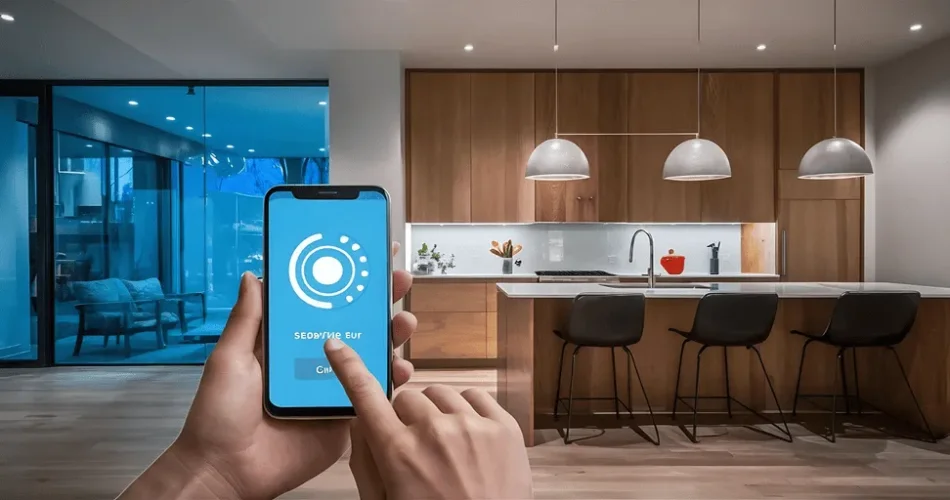
That’s why smart lighting has become such a popular upgrade. Being able to control lights from your phone, set schedules, or adjust brightness without getting up sounds like a luxury at first. Then it becomes normal. And once people get used to it, they rarely want to go back.
A Home That Feels Comfortable Before You Walk In
One thing I hear homeowners talk about all the time is comfort. Coming home after a long day and walking into a house that’s too hot or too cold isn’t exactly enjoyable.
That’s one reason smart temperature controls have become so common. The idea isn’t really about technology. It’s about arriving home and having the house feel comfortable the moment you walk through the door. It’s a small improvement that affects everyday life much more than people expect. And unlike some home upgrades that you only notice occasionally, this is one you experience every single day.
Making Home Security Less Stressful
Most homeowners have experienced that moment. You’re halfway down the road. Or already at work. And suddenly, a thought pops into your head.
“Did I lock the front door?”
“Did I close the garage?”
“Who was at the door earlier?”
It’s amazing how much stress a simple question can create. That’s why many homeowners are investing in smart security features. Not because they want complicated systems. Because they want peace of mind. Being able to quickly check on your home from your phone is one of those conveniences that sounds minor until you actually need it. And when you do, it suddenly feels incredibly valuable.
The Modern Home Office Is Here to Stay
A few years ago, many people viewed home offices as temporary spaces. A desk in the corner. A spare room is used occasionally. Today, things look different.
Many homeowners spend hours every week working from home. Some spend every day there. As a result, home office upgrades have become one of the smartest investments homeowners can make.
-
Better lighting
-
Improved internet coverage
-
More comfortable workspaces
-
Charging stations
-
Noise reduction
These aren’t the most exciting projects to show off on social media. But they can make a huge difference in everyday life. And honestly, that’s what good home improvements should do.
Save Time in Small Ways
One thing I’ve learned from talking to homeowners is that the best upgrades often save only a few minutes at a time. That doesn’t sound impressive. Until you realize those minutes add up. Lights that turn off automatically. Devices that follow schedules. Systems that require less manual effort. None of these changes is dramatic on its own.
But together they create a home that feels easier to manage. And for busy families, that’s often worth far more than a decorative upgrade.
Energy Efficiency Is Becoming a Bigger Priority
Most people pay more attention to utility bills than they used to. Energy costs have become a bigger part of household budgets, which means homeowners are looking for ways to use energy more efficiently. What’s interesting is that many smart home upgrades help with this naturally.
-
Better temperature control
-
Smarter lighting
-
Energy monitoring tools
-
Automated schedules
These improvements don’t just add convenience. They often help reduce unnecessary energy use as well. And that’s one of the few home improvements that can continue providing benefits long after the installation is complete.
Start Small Instead of Doing Everything at Once
One misconception about smart homes is that you need to upgrade everything immediately. That’s usually not necessary. In fact, most homeowners start small.
-
A smart bulb
-
A video doorbell
-
A thermostat
-
A few smart plugs
Then they gradually add more features if they find them useful. I’ve found that this approach works best because it allows people to focus on improvements that genuinely fit their lifestyle rather than buying technology simply because it’s available.
The Best Home Improvements Are the Ones You Notice Every Day
Some renovations look impressive for a few weeks and then slowly blend into the background.
A fresh coat of paint.
New decorative accessories.
A trendy feature wall.
There’s nothing wrong with those projects. But the improvements homeowners appreciate most are often the ones they interact with every single day.
Better comfort.
Less stress.
More convenience.
A smoother daily routine.
Those benefits don’t show up in photographs the way a new kitchen does. But they often have a much bigger impact on how a home feels to live in. At last, modern home improvement isn’t just about making a house look better. It’s about making life inside that house better.
And that’s why smart home upgrades continue to attract so much attention from homeowners. Because when a home works better, everyday life usually does too.
Recent Blogs

Residential Real Estate Trends Families Should Watch
Families choosing a home need to understand changing residential real estate trends, from budget and location to lifestyle needs and future property value.
How Location Affects Real Estate Value and Buyer Demand
Location plays a major role in real estate value because it influences buyer demand, lifestyle, convenience, and future resale potential.

Real Estate Investment Tips for First-Time Investors
Real estate investing can build wealth over time, but first-time investors need patience, planning, and realistic expectations.
Rental Property Management Tips for New Landlords
New landlords can manage rental properties better by staying organized, communicating clearly, and planning for repairs.

Real Estate Agent vs Broker Key Differences Explained
A real estate agent and a broker can both help buyers and sellers, but their licensing, responsibilities, and professional roles are not exactly the same.

Outdoor Home Improvement Projects That Boost Curb Appeal
Outdoor home improvement projects can change how a home feels before anyone steps inside by improving the first impression people notice from the outside.